
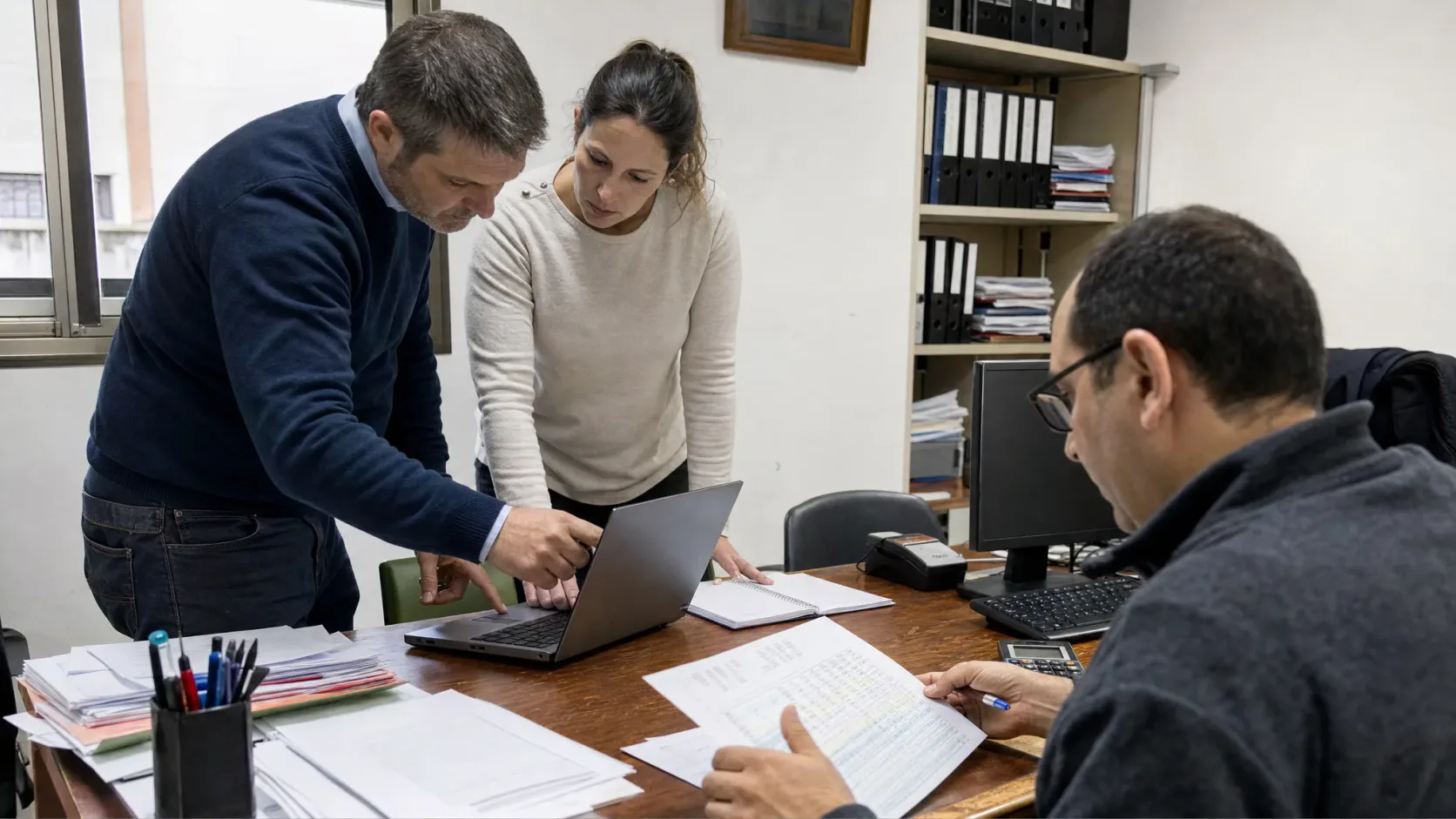
In many SMEs, payments do not fail because the bank is slow. They fail because someone has to copy amounts, check rows one by one, and verify whether a supplier has already been paid. The cost is not only time. It is duplicated work, delayed approvals, and avoidable tension when cash is tight.
The useful question is not whether Odoo has a new feature, but whether that feature changes how payments are approved and executed.
The concrete news in this edition is Odoo’s expanded partnership with Salt Edge and the announcement that Odoo is the first to go live with Bulk Payments. Odoo published that update on November 17, 2026 in its official news blog, within its own Odoo News section. Odoo’s broader official blog is the company’s primary source for product and ecosystem announcements.
What was actually announced
It helps to separate the headline from the operational meaning. Odoo did not announce a vague idea about “better finance.” It announced an expanded partnership with Salt Edge and said it was first to go live with Bulk Payments. That makes this a product-news story, not just an event mention or a future roadmap promise.
For a business, the value is not the word “bulk.” The value is that repeated outgoing payments can move from hand-by-hand execution to a controlled batch workflow. If your team currently lives in spreadsheets, email threads, and manual checks, any step that consolidates multiple payments into one supervised process can reduce errors and free up time. The exact savings depend on volume, approval structure, and how much manual checking you still rely on.
What may change in daily work
Picture a manufacturing SME with twenty recurring suppliers, three people touching payments, and a month-end close that always feels rushed. Before, every payment requires checking beneficiary data, repeating validation, and reconstructing what was approved and when. With batch payments, the work shifts from execution to supervision: review exceptions, approve batches, and keep traceability.
That sounds modest, but it is not. In operations, the bottleneck is often the last administrative mile. If a platform reduces manual steps, the team does not magically do less work. It works with fewer interruptions and fewer human errors. For leadership, the implication is simple: faster payments do not automatically mean weaker control, but they do require clearer rules about approvals, thresholds, and exceptions.
The uncomfortable trade-off: automation is not judgment
This is the part many teams skip. A faster finance process can also become a faster bad process if governance is weak. If you approve large batches without clear separation of duties, beneficiary checks, or amount limits, you have not reduced risk. You have just changed its shape.
That is why this news matters beyond the feature itself. Bulk Payments is useful if it helps you redefine responsibility: who prepares the batch, who approves it, and what stops it from going out. If those rules are unclear, the tool only accelerates confusion. And if your current process is already informal, speed can make the weakness more visible.
What decision this announcement enables
The real decision is not “should we use a new Odoo feature?” It is whether payments should move from administrative handling to governed process design. That means reviewing approval flows, recurring payment volume, and the hidden cost of keeping manual controls where they no longer add value.
It also means being careful about availability. Odoo has announced the feature in its official blog, but each company still needs to confirm the country setup, banking connection, and internal configuration before assuming the full workflow is ready. When the process touches treasury, details matter more than marketing language.
Three questions for this week
- How many hours per month does your team spend preparing and reviewing recurring payments?
- What actually stops a payment batch before it leaves your company?
- Does your approval flow reduce risk, or just add steps out of habit?
If you want to turn Odoo news into an operational decision instead of a headline, at Codefuente we usually start with the process before the screen.