
Service
API integrations for ERP, ecommerce and business systems
We connect ERP, ecommerce, CRM, logistics, analytics and internal tools through APIs, webhooks, sync processes, iPaaS and event-driven architectures.
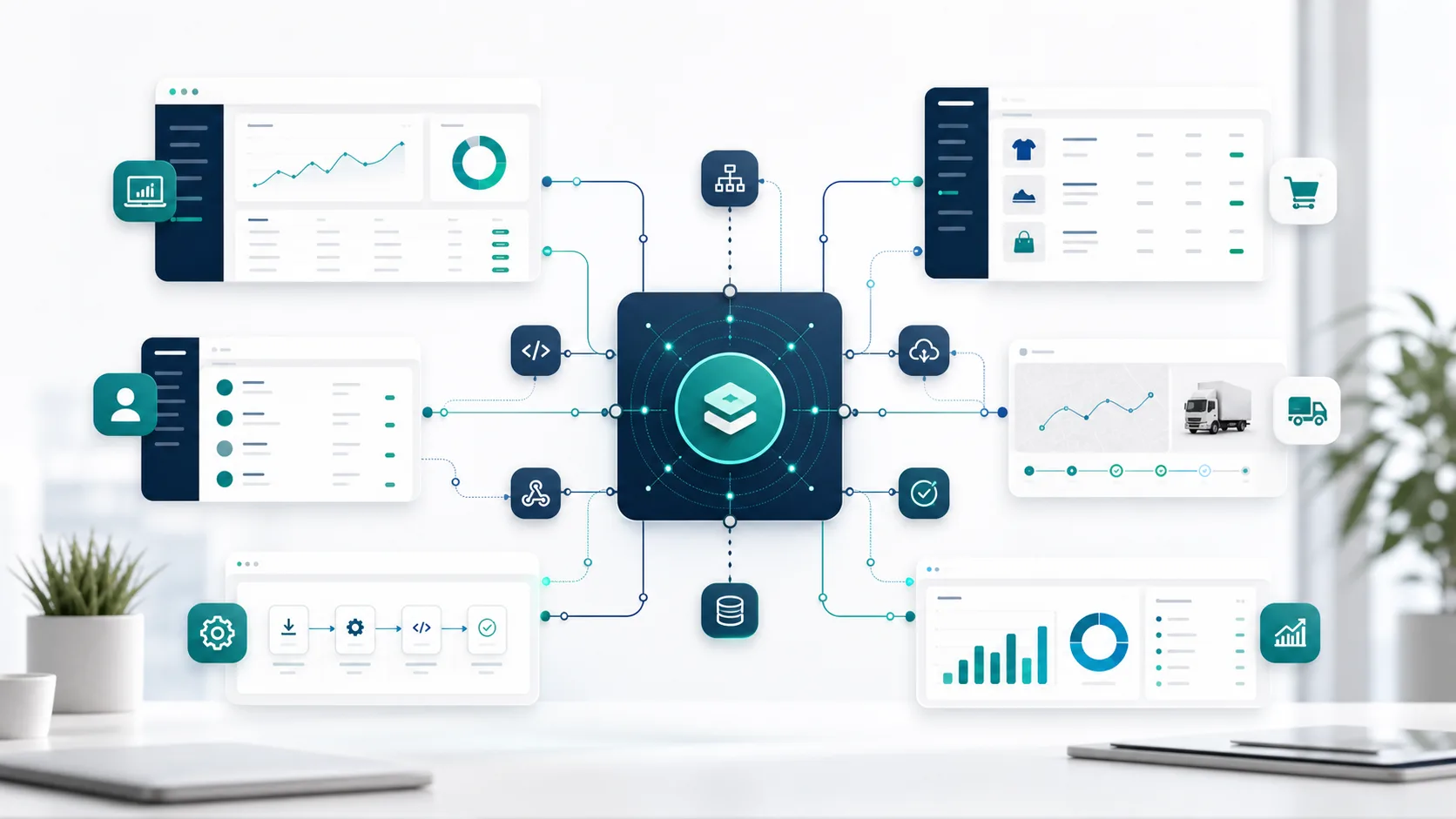
Connected systems with traceability
Many companies grow by adding tools: ERP, ecommerce, CRM, logistics, spreadsheets, internal platforms and reporting. Problems appear when each system tells a different version of the business.
At Codefuente we design integrations from an operational perspective: we understand which data matters, when it should sync, what errors can happen and how the team should react when something fails.
The goal is for information to flow with intent: consistent data, visible errors and processes that do not depend on copy-paste work, manual exports or fragile workarounds.
Typical results
-
Fewer information silos between teams
-
Synchronized orders, customers and inventory
-
Detectable and actionable errors
-
Fewer exports and manual tasks
-
More reliable data for operations and decisions
-
Architecture ready for new channels
Frequently asked questions
Which systems can you integrate?
We integrate ERP, ecommerce, CRM, logistics, marketplaces, analytics, spreadsheets and internal tools using APIs, webhooks, synchronization processes or custom connectors.
How do you avoid errors and duplicated data between systems?
We define which system owns each data point, normalize formats, log every synchronization and design reconciliation processes to detect errors before they affect sales, stock, invoicing or operations.
Can you maintain existing integrations?
Yes. We review existing connectors, logs, recurring errors and external dependencies to stabilize, document and evolve them without rebuilding the whole system when it is not needed.
Related case studies and resources
Real projects and practical analysis to help evaluate this service with more context.
Applied experience
Decision guides
Other services
We can also help with these connected areas.
Does this match your challenge?
Tell us the context and we will help define the most suitable technical and operational approach.